Where it comes from
- Gas furnaces, water heaters, stoves and dryers.
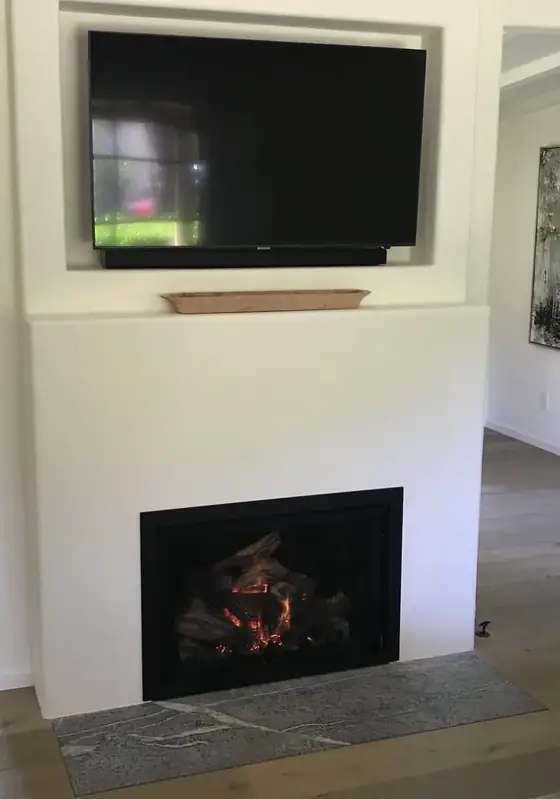
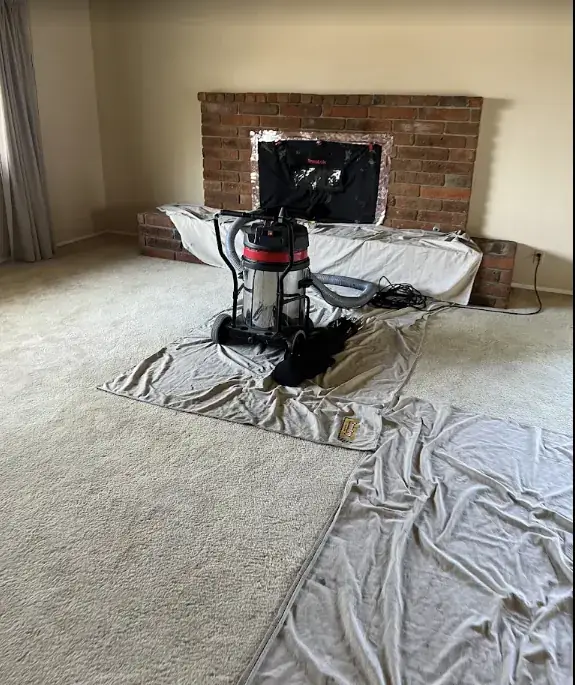
- Gas and wood fireplaces, especially with a blocked or damaged flue.
- Cars running in an attached garage.
- Generators, grills and camp stoves used indoors or too close to the house.
Alarms
- California requires CO alarms in homes with fuel burning appliances, fireplaces or an attached garage.
- Install them on every level and outside sleeping areas, following the manufacturer's instructions.
- Test them monthly and replace them at the end of life printed on the label.
- An alarm that plugs in needs working batteries or backup, so check the backup too.
Know the sound.
Most people can't tell these apart at 3am. Tap one to hear it at low volume.
Get everyone out and call 911.
Get everyone into fresh air, then call 911 from outside.
Change the battery, or the whole alarm if it's past the date on the label.
These are the standard patterns for smoke and CO alarms. Your alarm's manual has its exact sounds, and some models also speak.
Symptoms
Headache, dizziness, nausea, tiredness and confusion are common signs. If several people or pets feel unwell at once, or symptoms ease when you leave the house, suspect carbon monoxide.
If an alarm sounds
- Get everyone, pets included, into fresh air.
- Call 911.
- Don't go back in until the fire department clears the home.
- Have gas appliances and fireplaces inspected before using them again.
Prevention
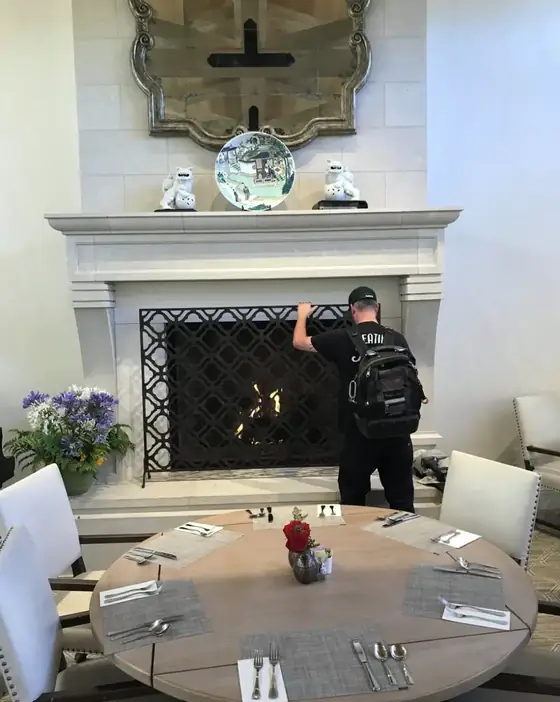
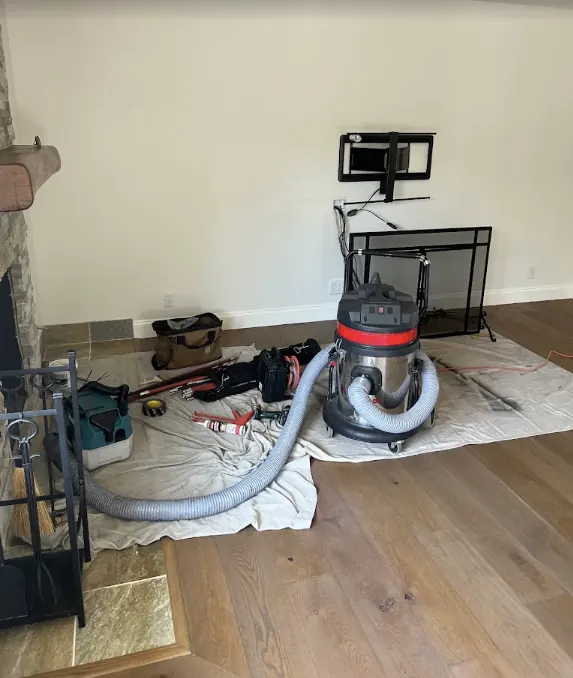
- Have fireplaces and chimneys inspected every year. Blockages and damage cause dangerous backdrafts.
- Have gas appliances and furnaces serviced each year.
- Never run a generator or grill indoors, in a garage or near a window.
- Never use an oven to heat a room.
Want a safety check?
Our Level 1 fireplace safety check includes gas and CO testing. Call (805) 699-1112 to book one.